
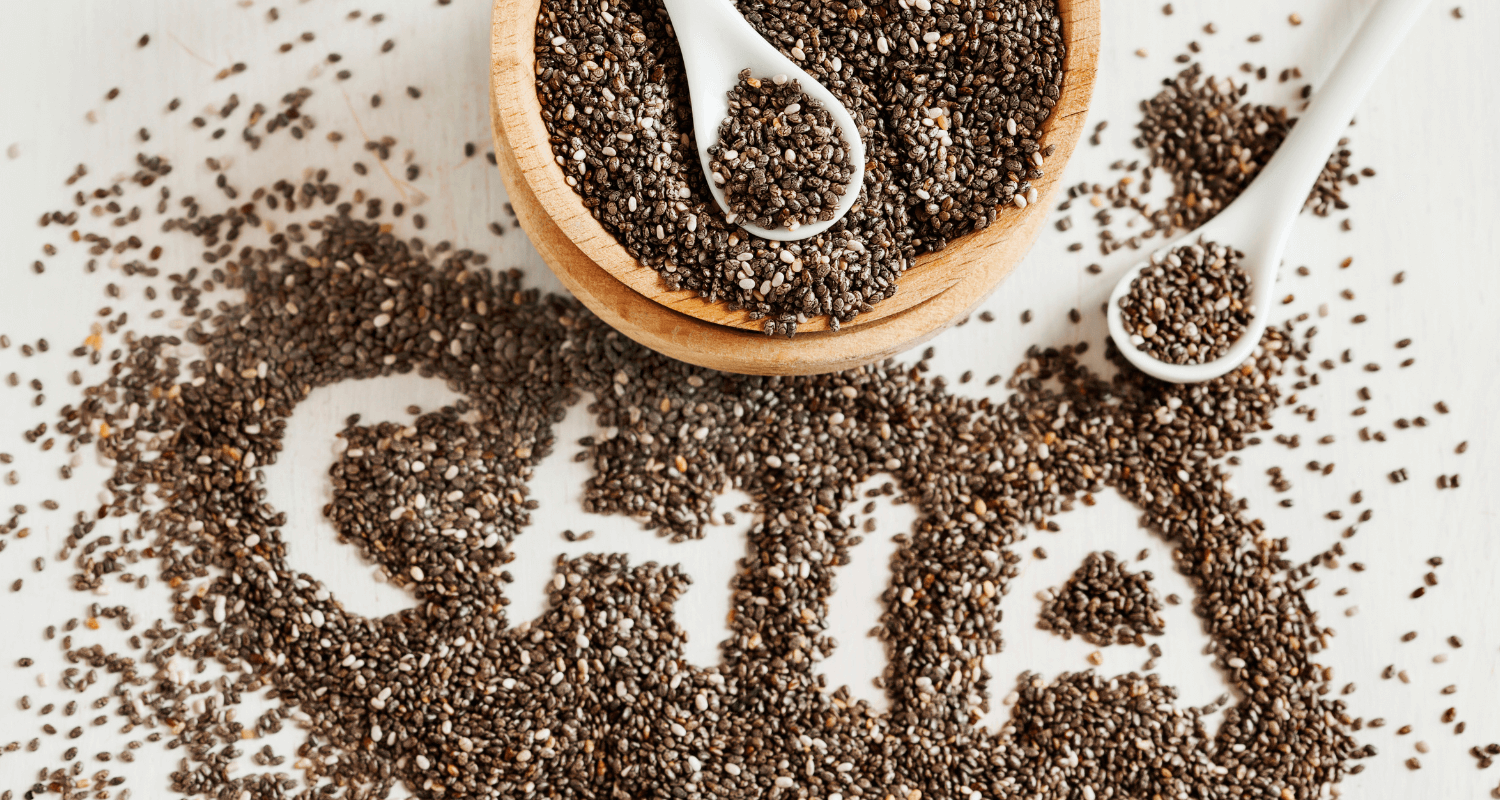
What are chia seeds?
Produced from the plant Salvia hispanica L., Chia Seeds were a significant food crop in Central America. Cultivated as a food source as early as 3500 BC, the Aztecs believed chia seeds held supernatural powers and faithfully used the tiny seeds as one of their major food sources. In the Mayan language, 'chia' translates to 'strength' and the Aztecs held chia seeds in such a high regard, that ancient warriors even attributed their prowess & stamina to the energy given by this important seed..
Are milled chia seeds better?
In one study (2) comparing the effects of whole and milled chia seeds, the milled seeds increased the absorption of omega-3 fatty acid levels in the blood by around 50% compared to whole chia seeds.
Another study in 2020 (3) found that milling or grinding chia seeds made them easier to digest and increased the absorption of antioxidants, protein and omega-3 fatty acids.
Benefits of chia seeds
Chia seeds may be small, but they’re incredibly rich in vital nutrients. The antioxidants, minerals, fibre, and omega fatty acids in chia seeds may promote heart health, support strong bones, and improve blood sugar management.
Chia seeds contain large amounts of fibre, omega-3 fatty acids, high quality plant-based protein, and several key minerals and antioxidants.
Infact, a whopping 80% of chia's carbohydrate comes in the form of fibre with a single portion of this trusted seed providing between 26-40% of an adult's recommended daily intake of fibre.
Chia seeds also provide us with a great source of B vitamins, calcium and iron.
What is the best way to eat chia seeds?
Chia seeds are suprisingly versatile and can be used in all manner of ways. Ideally, chia seeds should be soaked before using and can be used to make puddings, jams or mousses. Chia seeds can expand up to ten times their initial size, absorbing both the liquid and the flavour that they’re soaking in. By soaking them in different flavours of fruit juices, milks or sauces, you can influence the flavour of them greatly and use to adapt the flavours in your chia recipes or drinks.
You can also add chia seeds to baked goods by adding some to muffins, biscuits or crackers. Or mix with waters, juices or smoothies to add an extra nutritional kick.
The addition of chia seeds won't impact the flavour of your recipes as chia seeds tend to soak up flavour rather than impart it, this makes them a very versatile ingredient, suited to many recipes.
Avoid eating dry chia seeds. We recommend you eat them after soaking, or using in moist recipes which will help the chia seeds to absorb liquids.
How much chia seeds should you eat a day?
Chia seeds are quite well tolerated by most people so a typical daily intake is around 20g of chia seeds twice daily. As with any source of fibre however, you might experience digestive side effects like bloating or diarrhea if you eat too many chia seeds - this is particularly true if you're not used to eating a fibre-rich diet. In this instance, try starting off with smaller amount of chia and building up from there.
References:
1. J Am Diet Assoc . 2008 Oct;108(10):1716-31. doi: 10.1016/j.jada.2008.08.007.
https://pubmed.ncbi.nlm.nih.gov/18953766/
2. J Altern Complement Med . 2012 Jul;18(7):700-8. doi: 10.1089/acm.2011.0443.
https://pubmed.ncbi.nlm.nih.gov/22830971/
3. Impact of Processing and Intestinal Conditions on in Vitro Digestion of Chia ( Salvia hispanica) Seeds and Derivatives
https://pubmed.ncbi.nlm.nih.gov/32150813/